Ptosis, or upper eyelid drooping, can affect people of all ages and may impact both vision and appearance. While it might seem like a cosmetic issue at first glance, ptosis can sometimes signal an underlying medical problem. Understanding what causes ptosis in children and adults can help you recognize when to seek expert evaluation.
At Central Valley Eye Medical Group, we provide comprehensive diagnosis and support for all types of eyelid conditions, including ptosis. Our board-certified, fellowship-trained ophthalmologists offer subspecialty expertise in oculoplastic surgery, ensuring each patient receives state-of-the-art treatment with personalized attention.
What Causes Ptosis in Children?
In pediatric cases, ptosis is often congenital, meaning it is present at birth. Common causes include:
- Congenital muscle weakness: Poor development of the levator muscle, which lifts the eyelid, is the most frequent cause.
- Birth trauma or injury: Nerve damage sustained during birth can sometimes affect eyelid control.
- Neurological disorders: Rare conditions, such as congenital third-nerve palsy, may cause ptosis.
Prompt evaluation is important for children, as untreated ptosis can lead to amblyopia (lazy eye) and vision development problems.
What Causes Ptosis in Adults?
In adults, ptosis is more likely to be acquired over time. Some of the most common causes include:
- Age-related weakening: The levator muscle can stretch or become detached from the eyelid with age, leading to drooping.
- Nerve damage or neurological conditions: Diseases such as myasthenia gravis or third-nerve palsy can impact eyelid movement.
- Trauma or eye surgery: Injury or prior procedures, such as cataract surgery, may disrupt eyelid function.
- Tumors or swelling: In rare cases, tumors or swelling around the eye can put pressure on muscles or nerves.
When to See an Eye Doctor
Whether ptosis comes on gradually or suddenly, it should always be assessed by an eye care professional. In some cases, ptosis may be a sign of a more serious neurological or muscular issue. Surgical and nonsurgical options are available; the best fit depends on the cause and severity.
Seek Expert Eye Care Today
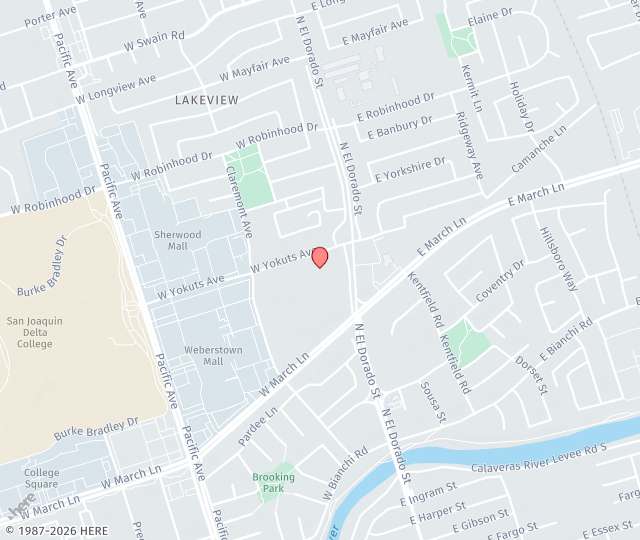
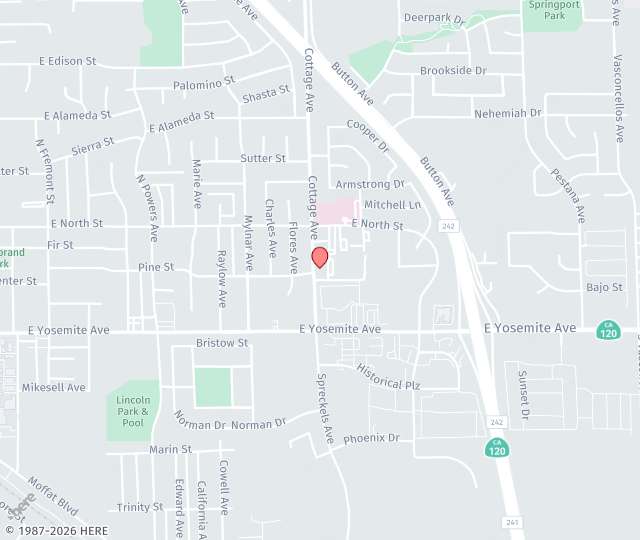
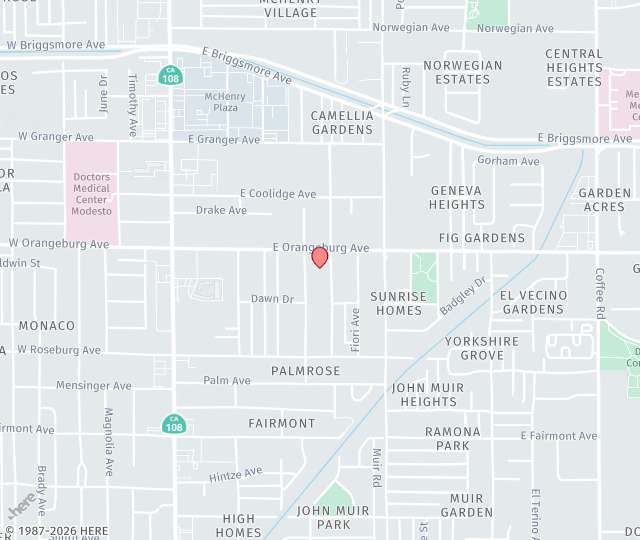
If you or your child is experiencing eyelid drooping, schedule an appointment with Central Valley Eye Medical Group in Stockton, Modesto, or Manteca, CA. Our skilled ophthalmologists can diagnose the cause and help you explore effective treatment options. Call 1(800) 244-9907 today to learn more.