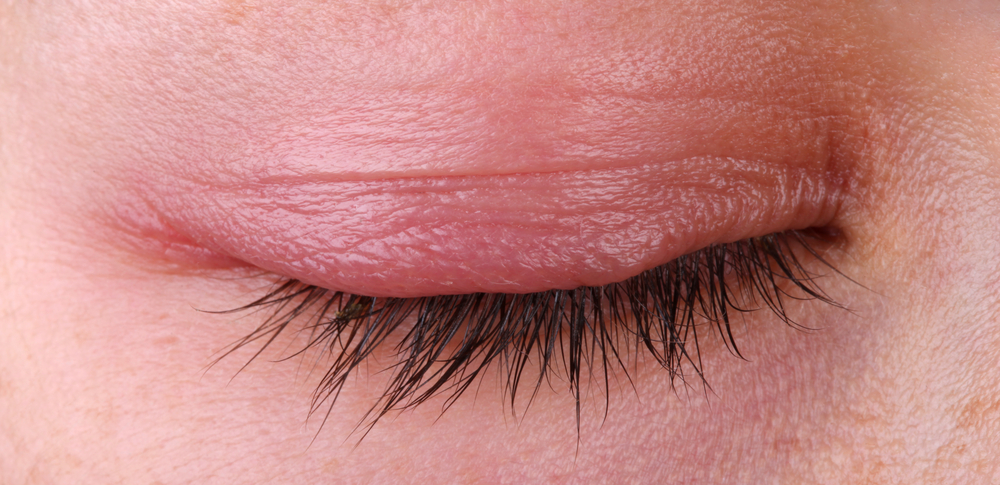
Eyelid inflammation can be frustrating because symptoms may improve for a while and then return. Blepharitis commonly affects the edges of the eyelids and can cause irritation, redness, crusting, burning, or a gritty sensation.
Central Valley Eye Medical Group provides comprehensive eye care through fellowship-trained, board-certified ophthalmologists who also teach resident physicians and contribute to ophthalmic education and research. Because blepharitis is often a chronic condition, effective management usually focuses on controlling inflammation and reducing the factors that trigger repeated flare-ups.
Why Blepharitis Can Come Back
Blepharitis may develop when bacteria, excess oil, skin debris, or dysfunction of the eyelid’s oil glands disrupt the normal surface of the eye. Even when symptoms improve, these underlying factors may remain.
For that reason, eyelid inflammation can return if routine care stops or environmental and skin-related triggers become more active.
Common Triggers For Recurrent Eyelid Inflammation
Several factors can contribute to recurring blepharitis, including:
- Meibomian gland dysfunction
- Dandruff or seborrheic dermatitis
- Rosacea
- Bacterial buildup along the eyelid margins
- Dry eye
- Incomplete removal of eye makeup or debris
Symptoms can also fluctuate with weather changes, allergies, and other sources of eye surface irritation.
How Blepharitis Is Usually Managed
Treatment depends on the type and severity of blepharitis. Regular eyelid hygiene is often an important part of long-term care and may include warm compresses and gentle cleaning of the eyelid margins.
Some patients may also need lubricating eye drops, prescription medications, or treatment to improve oil gland function. An ophthalmologist can recommend a plan based on the specific cause of the inflammation rather than relying on a one-size-fits-all approach.
When Persistent Symptoms Need An Eye Exam
Ongoing redness, swelling, crusting, burning, or blurred vision should be evaluated if symptoms are frequent or do not improve with basic eyelid care. Similar symptoms can also occur with dry eye, allergies, infection, or other eye conditions.
A comprehensive examination can help confirm whether blepharitis is responsible and identify any related problems affecting the ocular surface.
Manage Recurring Blepharitis In Stockton, CA
Recurring eyelid inflammation can often be controlled more effectively when the underlying causes are identified and managed consistently. Central Valley Eye Medical Group evaluates blepharitis and related eye surface concerns for patients in Stockton, CA.
Call 800-244-9907 to schedule a consultation and discuss a treatment plan designed to reduce irritation and recurring flare-ups.