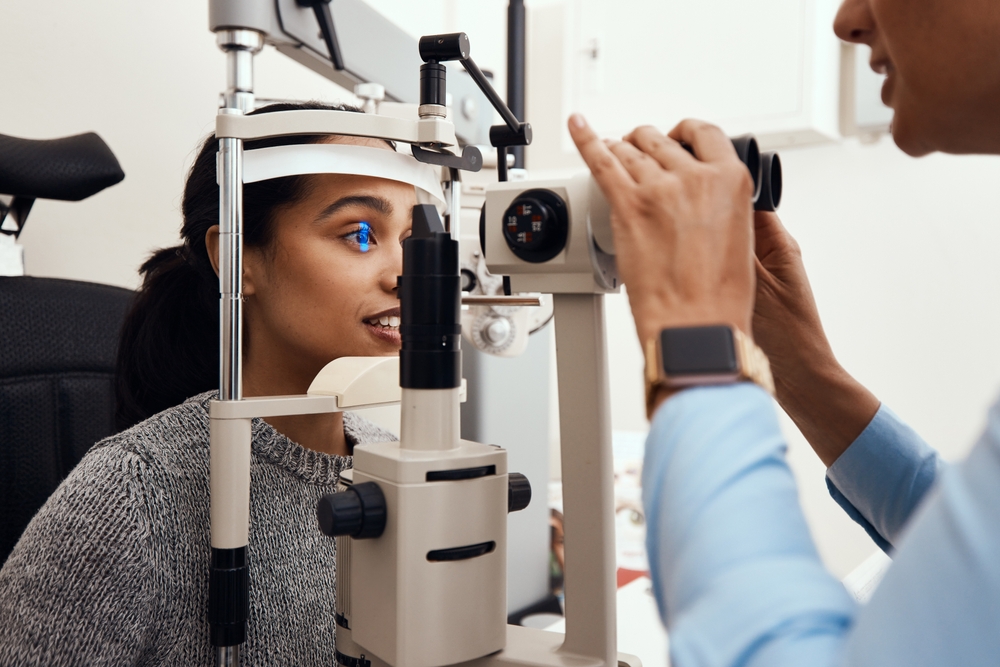
Comprehensive eye exams do more than check whether a prescription has changed. Because the eyes contain blood vessels, nerves, and tissues that can reflect changes elsewhere in the body, an exam may reveal signs of certain health concerns before noticeable symptoms develop.
At Central Valley Eye Medical Group, Inc., care is provided by a team of ten board-certified ophthalmologists who have completed advanced fellowship training in areas such as retina, glaucoma, cornea, and oculoplastic surgery. Their broad range of expertise supports detailed evaluations that look beyond visual sharpness and consider the overall health of the eyes.
Recognizing the importance of regular eye exams can help patients protect both vision and general wellness.
What Happens During A Comprehensive Eye Exam?
A comprehensive evaluation may include several tests depending on age, symptoms, medical history, and risk factors. These can assess:
- Visual acuity and prescription changes
- Eye pressure
- Pupil responses and eye movement
- Peripheral vision
- The cornea, lens, retina, and optic nerve
- Blood vessels inside the eye
Dilation may be recommended to provide a wider view of the retina and other structures at the back of the eye.
How Eye Exams May Reveal Signs Of Diabetes
Diabetes can damage small blood vessels throughout the body, including those in the retina. During an eye exam, an ophthalmologist may identify swelling, bleeding, abnormal vessel growth, or other signs associated with diabetic retinopathy.
These changes may appear before a patient notices blurred vision or other symptoms. Early detection can lead to closer medical monitoring and timely treatment when needed.
Other Health Concerns That May Affect The Eyes
Changes within the eyes may sometimes be associated with conditions beyond diabetes. An exam may reveal findings linked to:
- High blood pressure
- High cholesterol
- Autoimmune or inflammatory disorders
- Thyroid disease
- Neurological conditions
- Certain medication side effects
An eye exam cannot diagnose every systemic condition on its own. However, unusual findings may prompt a recommendation to follow up with a primary care provider or another specialist.
Why Routine Exams Matter Without Symptoms
Clear vision does not always mean the eyes are healthy. Glaucoma, retinal disease, and other conditions may progress quietly, making preventive exams especially important for adults with diabetes, a family history of eye disease, or increasing age.
The recommended schedule depends on individual risk factors and previous findings.
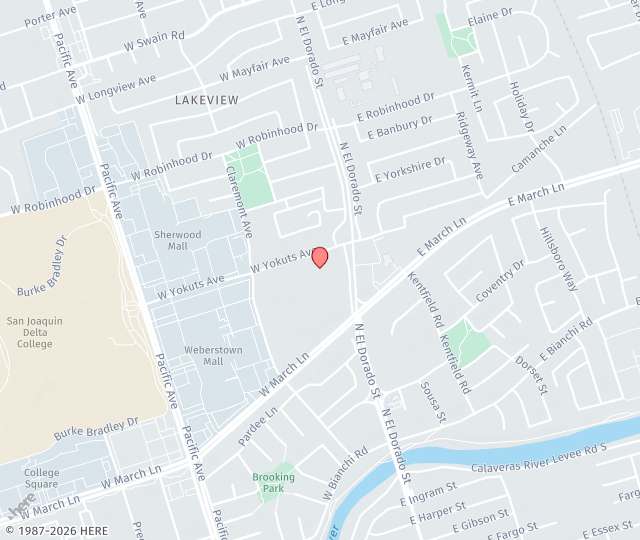
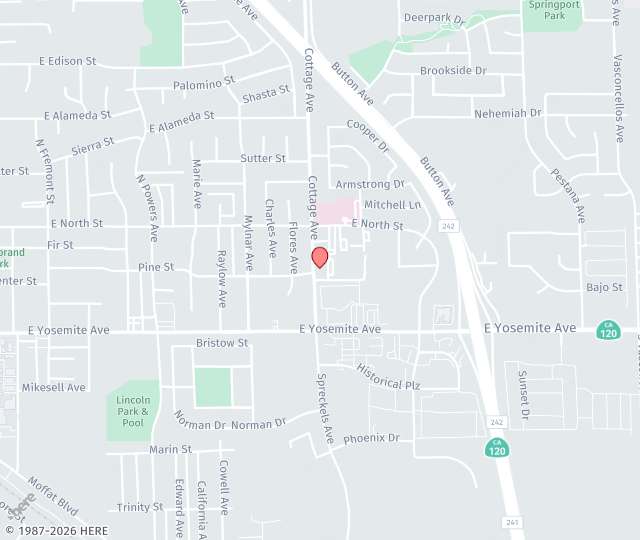
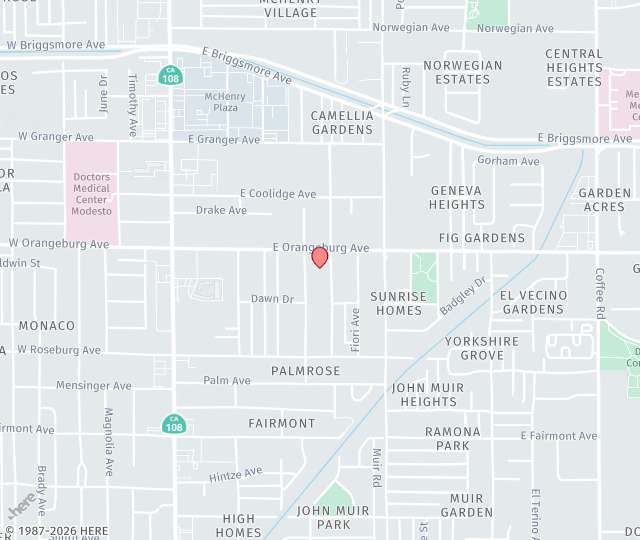
Protect Your Eye And Overall Health In Stockton, Modesto & Manteca, CA
Routine eye exams provide an opportunity to detect changes that may affect vision and reveal possible signs of broader health concerns. A personalized examination schedule can support earlier intervention and long-term eye health.
Schedule a consultation with Central Valley Eye Medical Group, Inc. at 800-244-9907 to arrange a comprehensive eye exam.