Glaucoma is a chronic eye disease that can gradually damage the optic nerve, sometimes without causing noticeable symptoms until vision loss has occurred. Because the condition may change over time, a treatment plan that works well today may need to be adjusted later.
The physicians at Central Valley Eye Medical Group, Inc. are actively involved in glaucoma care, ophthalmic education, and advancing treatment through published medical work. With fellowship-trained glaucoma specialists available across the practice, patients receive monitoring tailored to the stage and progression of their disease.
Regular testing helps determine whether the current glaucoma treatment is still providing enough protection.
Why Glaucoma Requires Ongoing Monitoring
Glaucoma treatment is designed to lower pressure inside the eye and reduce the risk of additional optic nerve damage. However, eye pressure is only one part of monitoring the disease.
Follow-up visits may include:
- Eye pressure measurements
- Optic nerve examinations
- Visual field testing
- Optical coherence tomography imaging
- Reviews of medication use and side effects
Changes in these results may show that glaucoma is progressing even when vision seems stable. Regular appointments allow an ophthalmologist to identify subtle changes and respond before more significant vision loss develops.
When Eye Drops May Need To Change
Prescription eye drops are frequently the first glaucoma treatment recommended. A medication may become less effective over time, or eye pressure may no longer reach the target range established by the ophthalmologist.
Treatment may also change because of redness, irritation, dry eye symptoms, or difficulty following a dosing schedule. An ophthalmologist may prescribe a different medication, adjust the dosage, or add another type of eye drop to improve pressure control.
Patients should not stop or alter glaucoma medication without medical guidance.
When Laser Treatment May Be Recommended
Laser procedures can improve fluid drainage within the eye and help lower eye pressure. Selective laser trabeculoplasty may be considered when eye drops are not adequately controlling glaucoma, are causing unwanted side effects, or are difficult to use consistently.
Laser treatment may reduce the number of medications needed, although some patients must continue using drops afterward. Its effectiveness can also decrease with time, making continued monitoring essential.
When Surgery Becomes Necessary
If medications and laser procedures do not lower eye pressure enough, surgery may be recommended. Options can include minimally invasive glaucoma surgery or traditional procedures that create a new drainage pathway.
The appropriate approach depends on glaucoma severity, the rate of progression, eye anatomy, and other eye conditions.
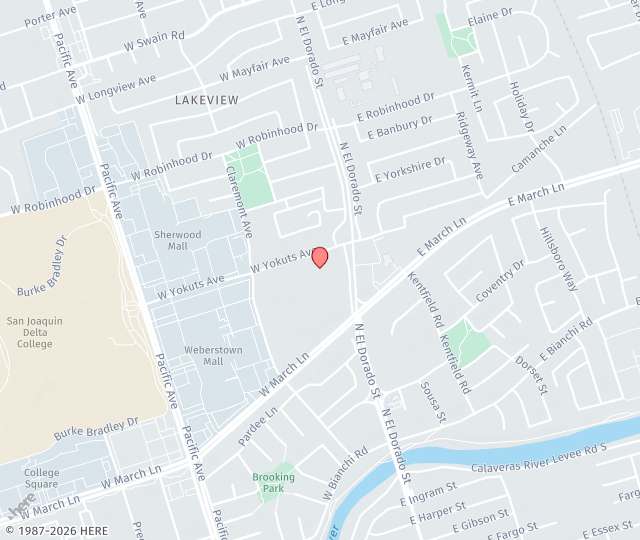
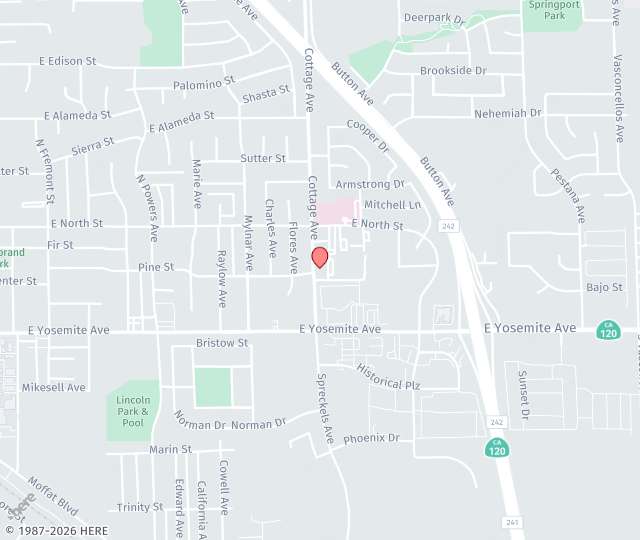
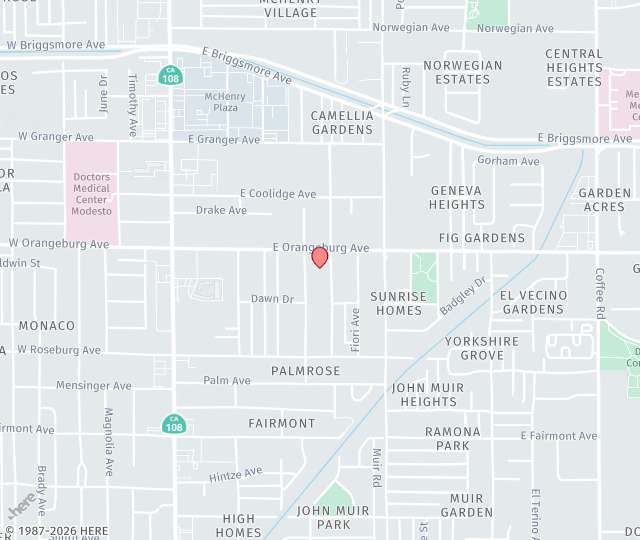
Protect Your Vision From Glaucoma In Stockton, Modesto & Manteca, CA
Glaucoma care is not a one-time decision but an ongoing process that may evolve as the eyes and treatment needs change. Consistent testing helps determine whether the current plan remains effective or whether another approach may offer better protection.
Schedule a consultation with Central Valley Eye Medical Group, Inc. at 800-244-9907 to discuss personalized glaucoma treatment.