Did you know that orbital tumors can present very differently depending on whether they occur in children or adults? Understanding those distinctions can help you recognize symptoms sooner and seek the right care.
At Central Valley Eye Medical Group, patients benefit from a rare level of expertise, as it’s the only general ophthalmology practice in the San Joaquin Valley where every physician is fellowship trained. In this blog, you’ll learn how orbital tumors vary across age groups, what signs to watch for, and how treatment approaches may vary.
What Are Orbital Tumors?
Orbital tumors are abnormal growths in the eye socket (orbit). They can be benign or malignant and may interfere with vision, eye movement, or appearance.
Orbital Tumors in Children
In children, orbital tumors are more likely to appear quickly and may be linked to developmental or genetic factors. Some of the most common types include:
- Rhabdomyosarcoma: A fast-growing cancer that requires immediate attention
- Dermoid cysts: Benign growths present from birth
- Optic nerve gliomas: Often associated with genetic conditions like neurofibromatosis
Parents may notice sudden eye bulging, swelling, or a drooping eyelid. Because these tumors can progress rapidly, early diagnosis is critical.
Orbital Tumors in Adults
Adults are more likely to develop slower-growing orbital tumors, though some can still be aggressive. Well-known types include:
- Cavernous hemangiomas: Benign vascular tumors
- Lymphomas: A type of cancer affecting the immune system
- Metastatic tumors: Cancer that has spread from another part of the body
Symptoms in adults may present gradually, such as slowly worsening vision or subtle eye displacement. Because these changes can be easy to overlook, regular exams play an important role in early detection.
Key Differences Between Children and Adults
| Children | Adults | |
| Growth rate | Often rapid and aggressive | Typically slower-growing |
| Common causes | Developmental or genetic factors | Systemic conditions or age-related changes |
| Symptoms | Sudden, noticeable changes (e.g., swelling, bulging eye) | Gradual onset (e.g., subtle vision changes, eye displacement) |
| Treatment approach | Often requires urgent intervention | Varies based on tumor type and progression |
Call Central Valley Eye Medical Group for Expert Eye Care
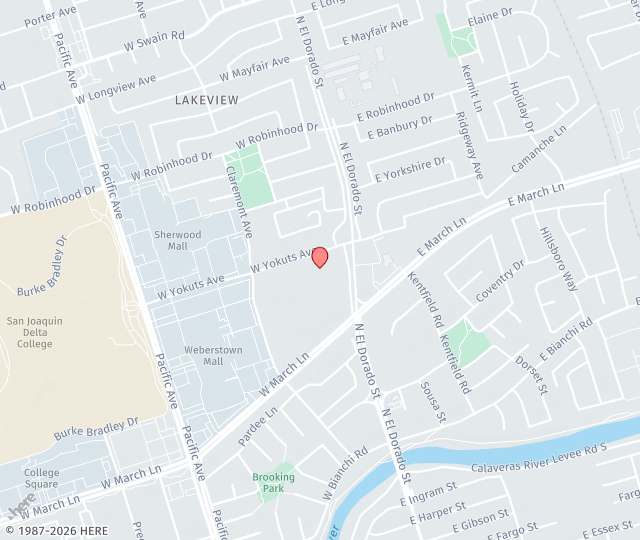
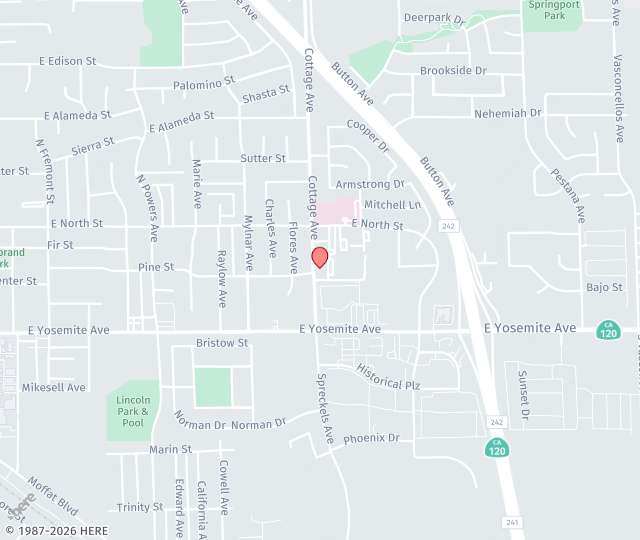
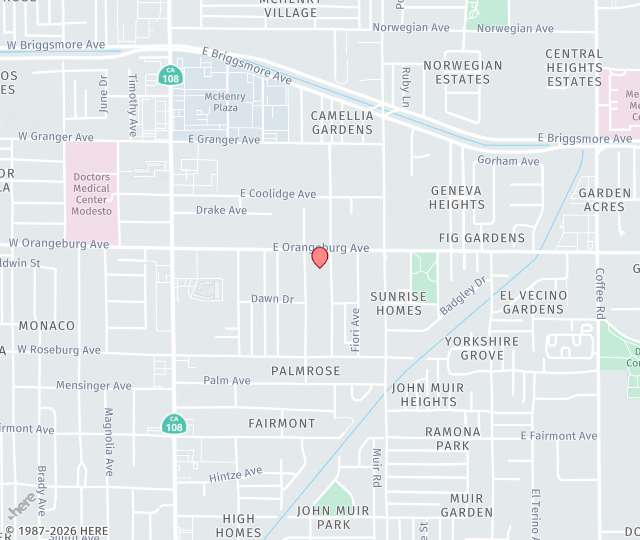
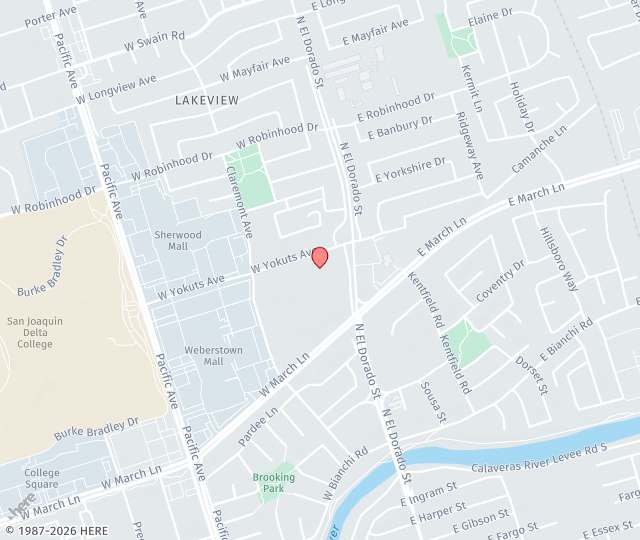
If you suspect you or your child has an orbital tumor, don’t wait to get answers. Call Central Valley Eye Medical Group at 1 (800) 244-9907 to schedule an appointment at our Stockton, Modesto, or Manteca location.