Do your eyes burn, blur, or feel gritty by the end of the day? You might blame allergies or screen time for dry eye, but for many people, Meibomian gland dysfunction (MGD) is the real cause.
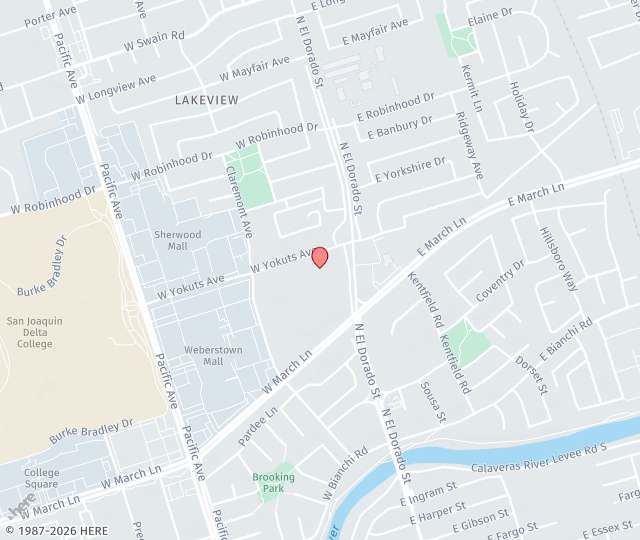
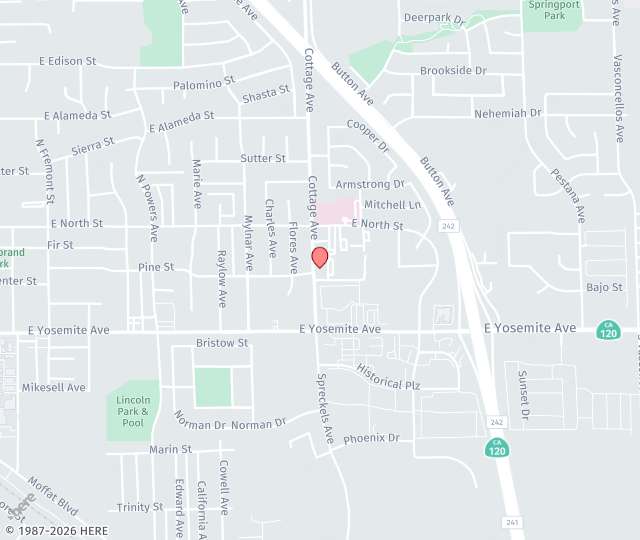
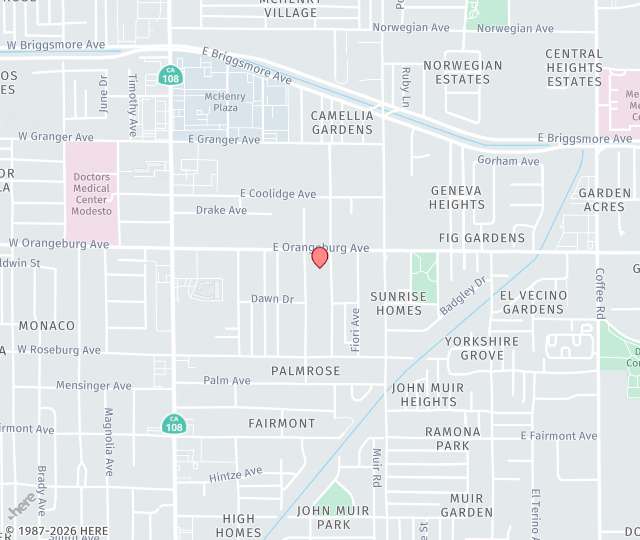
At Central Valley Eye Medical Group, patients in Stockton, Manteca, and Modesto receive advanced dry eye care from board-certified ophthalmologists. As the only general ophthalmology practice in the San Joaquin Valley with all fellowship-trained physicians, their team provides comprehensive, sub-specialty treatment with a personalized approach.
What Is Meibomian Gland Dysfunction?
Your Meibomian glands are tiny oil glands located along the edges of your eyelids. They produce the oily layer of your tear film, which:
- Slows tear evaporation
- Keeps the eye surface smooth
- Prevents irritation
With Meibomian gland dysfunction, these glands become blocked or don’t produce enough oil. Without this protective layer, tears evaporate too quickly — leading to evaporative dry eye.
How MGD Contributes to Dry Eye Symptoms
When the tear film becomes unstable, the surface of the eye dries out. This can trigger symptoms such as:
- Burning or stinging
- Redness
- Blurry vision that improves with blinking
- A gritty or sandy feeling
- Light sensitivity
Over time, untreated MGD can cause chronic inflammation and damage to the eye’s surface.
What Causes Meibomian Gland Dysfunction?
Several factors increase the risk of developing MGD:
- Aging
- Hormonal changes
- Prolonged screen use
- Contact lens wear
- Certain skin conditions, like rosacea
Many people don’t realize they have MGD until symptoms become persistent. That’s why a comprehensive eye exam is so important.
Treatment Options for MGD-Related Dry Eye
Treatment focuses on improving gland function and restoring tear stability. Your ophthalmologist may recommend:
- Warm compress therapy to loosen blocked oils
- Prescription eye drops to reduce inflammation
- In-office gland expression procedures
- Lifestyle adjustments, such as limiting screen exposure
Find Relief from Dry Eye in the Central Valley
Meibomian gland dysfunction is a common but treatable cause of dry eye. Early diagnosis and targeted care can make a meaningful difference in your daily comfort and eye health.
If you’re experiencing dry eye symptoms in Stockton, Manteca, or Modesto, CA, call Central Valley Eye Medical Group at 1 (800) 244-9907 to schedule a consultation and explore your options for lasting relief.