Dry eye syndrome is more than just an annoyance — it can significantly impact your quality of life, causing discomfort, blurred vision, and irritation.
At Central Valley Eye Medical Group, we understand the complexities of dry eye and offer personalized treatment plans designed to provide lasting relief. Our team of fellowship-trained, board-certified ophthalmologists uses the latest diagnostic tools to identify the underlying causes of your dry eye, allowing us to create a tailored approach that addresses your specific needs.
With our comprehensive care, you can trust that we’ll help you achieve clear, comfortable vision so you can get back to enjoying your life without dry eye discomfort.
What Is Dry Eye?
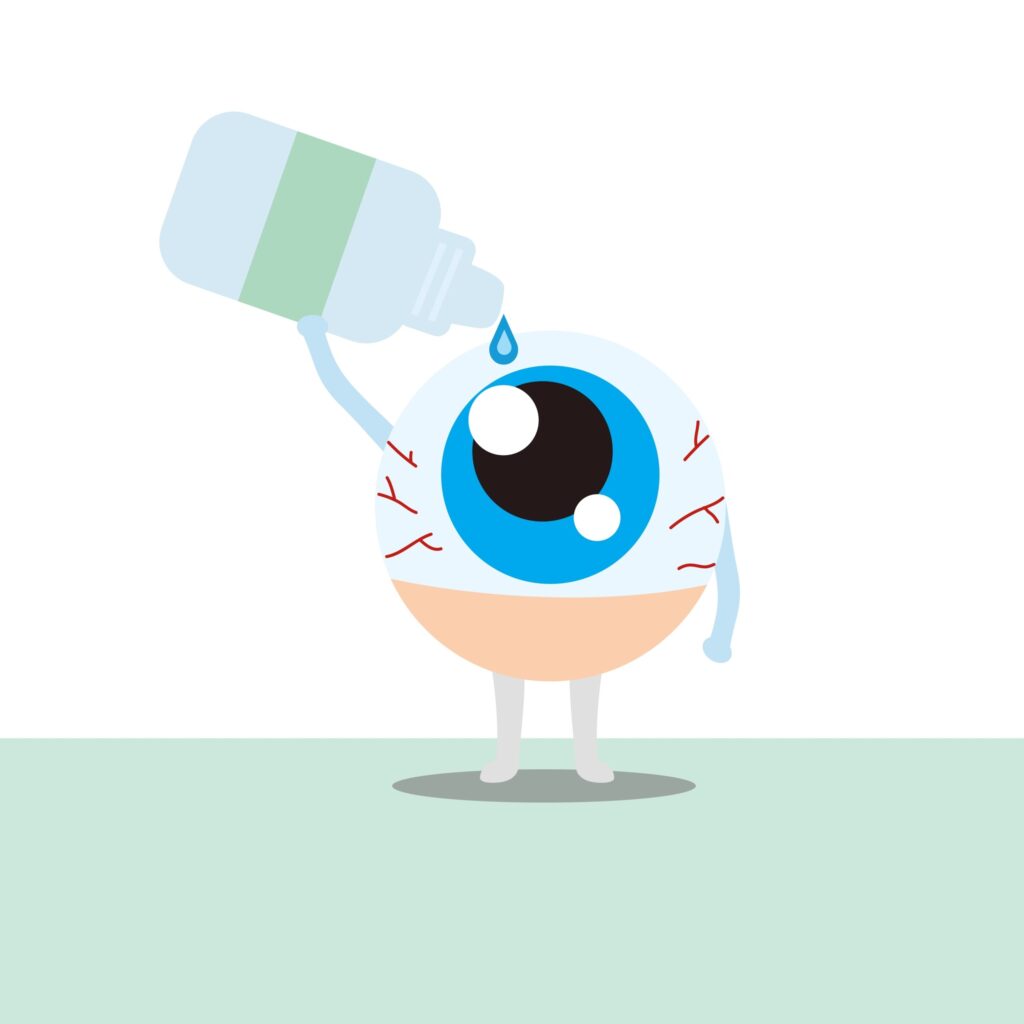
Dry eye is a common condition that occurs when the eyes do not produce enough tears or when tears evaporate too quickly. Healthy tears are essential for maintaining a smooth, comfortable, and clear eye surface. When the tear film becomes unstable, patients may experience burning, stinging, redness, blurred vision, light sensitivity, or a gritty sensation, as if something is in the eye.
Dry Eye Causes
Several factors can contribute to dry eye, including:
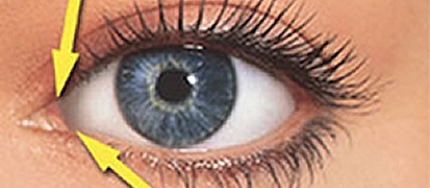
- Age: As we get older, glands in the eyelid produce less oil. Oil is what keeps our tears from evaporating from the eye. Decreased oil production allows tears to evaporate too quickly, leaving the eye too dry.
- Chronic illnesses: These include conditions such as diabetes, Sjogren’s, and Parkinson’s.
- Hormonal changes: Those that occur after menopause are especially likely to play a role.
- Prescription medications: These include some high blood pressure medications, antihistamines, diuretics, antidepressants, anti-anxiety pills, sleeping pills, and pain medications. Over-the-counter medications, including some cold and allergy products, motion sickness remedies, and sleep aids, can also cause dry eye.
- Hot, dry, or windy conditions: High altitude, air-conditioning, and smoke can also cause dry eye.
- Eye strain: Reading, computer use, scrolling on your phone, or watching TV can exacerbate dry eye.
- Contact lenses: Some people report that their dry eye symptoms are more pronounced when wearing contact lenses.
- Eye surgery: Some procedures, including LASIK, can aggravate dry eye.
- Inflammation: Recent research suggests that dry eye may be caused by an imbalance between “good” and “bad” fats.
Symptoms of Dry Eye Syndrome
The following are symptoms you may experience when you have dry eye:
- Watery eyes
- The feeling that there’s sand in your eyes
- Eyes that itch and burn
- Vision that becomes blurred after periods of reading, watching TV, or using a computer
- Red, irritated eyes that produce a mucus discharge
Diagnosing Dry Eye
Your eye doctor can assess dry eye by examining your eyes with magnifying instruments, measuring your tear production rate, and measuring how long it takes for tears to evaporate between blinks. They can also check for pinpoint scratches on the front surface of the eye caused by dryness using special, colored eye drops called fluorescein or Rose Bengal.
Dry Eye Treatment Options
Several options exist to address dry eye.
Lifestyle Changes
When infection, eyelid inflammation, or clogged oil glands contribute to dry eye, special lid-cleaning techniques or antibiotics may be recommended. It may also help to avoid hot, dry, or windy environments or to humidify the air in your home or office.
Artificial Teardrops for Dry Eye
Artificial tear products are available in liquid, gel, and ointment formulations; the ointment is most often recommended for nighttime use. Artificial tears can generally be used as often as needed, from a few times per day to every few minutes. Always follow the regimen your doctor recommends.
Restasis®
Restasis is an exciting new treatment for dry eye disease. Restasis drops help the eyes produce more tears by reducing inflammation, a common cause of dry eye. Unlike artificial tears, Restasis is the first drug proven to effectively treat the cause of dry eye rather than only temporarily alleviate symptoms.
LEARN MORE
Punctal Occlusion
Punctal occlusion is a medical treatment for dry eye that may enable your eyes to make better and longer use of the few lubricating tears they do produce.
LEARN MORE
Intense Pulsed Light (IPL)
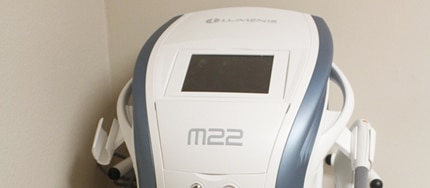
Intense Pulsed Light (IPL) is a technology traditionally used to improve skin tone in areas with pigmented spots or unsightly blood vessels on the skin’s surface. More recently, it has been demonstrated to be an effective treatment for dry eyes.
LEARN MORE
Why Choose Central Valley Eye Medical Group for Dry Eye Treatment in Stockton, CA?
Choosing our clinic for dry eye treatment means you are entrusting your eye health to a team of dedicated professionals with extensive experience in diagnosing and treating dry eye syndrome. We use the latest technology to assess the severity of your dry eye and customize a treatment plan tailored to your needs. Our comprehensive approach addresses symptoms and targets the root causes of dry eye, ensuring long-term relief and improved eye health. Whether you are dealing with mild discomfort or severe symptoms, we are committed to providing compassionate care and effective solutions to help you see and feel your best.
FAQ
Winter can be particularly harsh on the eyes, as cold outdoor air and indoor heating can exacerbate dry eye symptoms. To manage winter dry eye effectively:
-
- Use a Humidifier: Increasing the humidity in your home or office can help prevent dry eyes. Aim for a humidity level between 30% and 50%.
- Stay Hydrated: Drinking plenty of water helps maintain healthy tear production.
- Wear Protective Eyewear: When outside, wear wraparound glasses or goggles to shield your eyes from cold wind and prevent moisture from evaporating.
- Avoid Direct Heat Sources: Sit as far away from heaters or fireplaces as possible, as they can dry out the air around you.
- Use Artificial Tears: Over-the-counter artificial tears can provide immediate relief from dry eye symptoms. Use them regularly throughout the day.
- Limit Screen Time: Prolonged screen time can reduce your blink rate, potentially worsening dry eye. Take frequent breaks using the 20-20-20 rule: Every 20 minutes, look at something 20 feet away for at least 20 seconds.
Yes, untreated dry eye can lead to more serious eye conditions. Chronic dry eye can cause damage to the cornea, the clear front surface of the eye, leading to scarring and vision impairment. It may also increase the risk of eye infections, as tears are essential for washing away debris and bacteria. In severe cases, dry eye can lead to chronic inflammation, further damaging the eye’s surface and impacting overall eye health. Therefore, it is crucial to seek treatment if you experience persistent dry eye symptoms to prevent potential complications.
Yes, children can experience dry eye, though it is less common than in adults. Factors such as screen time, environmental conditions, or underlying medical conditions can contribute to dry eye in children. The treatment approach for children is similar to that for adults but often requires greater attention to the child’s comfort and ability to follow treatment routines.
Evaporative dry eye occurs when tears evaporate too quickly, often due to problems with the meibomian glands that produce the protective oil layer of the tear film. Without enough oil, tears break up rapidly, leaving the eye surface exposed and irritated.
Aqueous-deficient dry eye, on the other hand, happens when the lacrimal glands do not produce enough watery tears to properly lubricate the eyes.
Some patients experience a combination of both types.
Yes, allergies can significantly worsen dry eye symptoms. When the eyes react to allergens like pollen, dust, or pet dander, they release inflammatory chemicals that increase redness, itching, and irritation. This inflammation can destabilize the tear film, leading to tears evaporating more quickly. Additionally, frequent eye rubbing may further irritate the eye's surface.
Managing both allergy triggers and underlying dry eye disease is often necessary to reduce discomfort and maintain clearer, more comfortable vision.
Meibomian gland dysfunction (MGD) is one of the most common causes of evaporative dry eye. The meibomian glands, located along the eyelid margins, produce the oil layer of the tear film. This oil prevents tears from evaporating too quickly.
When these glands become blocked, inflamed, or produce poor-quality oil, the tear film becomes unstable. As a result, patients may experience burning, fluctuating vision, redness, and a gritty sensation.
Treating MGD through targeted therapies can improve tear stability and reduce chronic dry eye symptoms.
Dry eye can contribute to headaches and eye fatigue, particularly during prolonged reading or screen use.
When the tear film is unstable, vision may fluctuate, forcing the eye muscles to work harder to maintain focus. This added strain can lead to discomfort around the eyes, tension in the forehead or temples, and overall fatigue. Many people also blink less frequently while using digital devices, worsening dryness and increasing strain.
Addressing underlying dry eye disease often reduces associated headaches and improves visual comfort during daily activities.
The timeline for improvement depends on the type and severity of dry eye, as well as the treatment used.
Artificial tears may provide immediate, short-term relief. Prescription anti-inflammatory drops, such as cyclosporine-based medications, may take several weeks to reduce inflammation and improve natural tear production. Procedures like punctal plugs or IPL therapy may also require multiple sessions before full benefits are noticeable.
Because dry eye is often a chronic condition, consistent use of prescribed treatments is important. Many patients begin noticing gradual improvement within a few weeks of starting therapy.
Schedule a Dry Eye Evaluation Today
If dry eye symptoms are interfering with your comfort, vision, or daily routine, professional care can make a meaningful difference. The team at Central Valley Eye Medical Group provides comprehensive dry eye treatment in Stockton, Modesto, and Manteca using advanced diagnostics and targeted therapies. Call +1 (800) 244-9907 and schedule a consultation today.